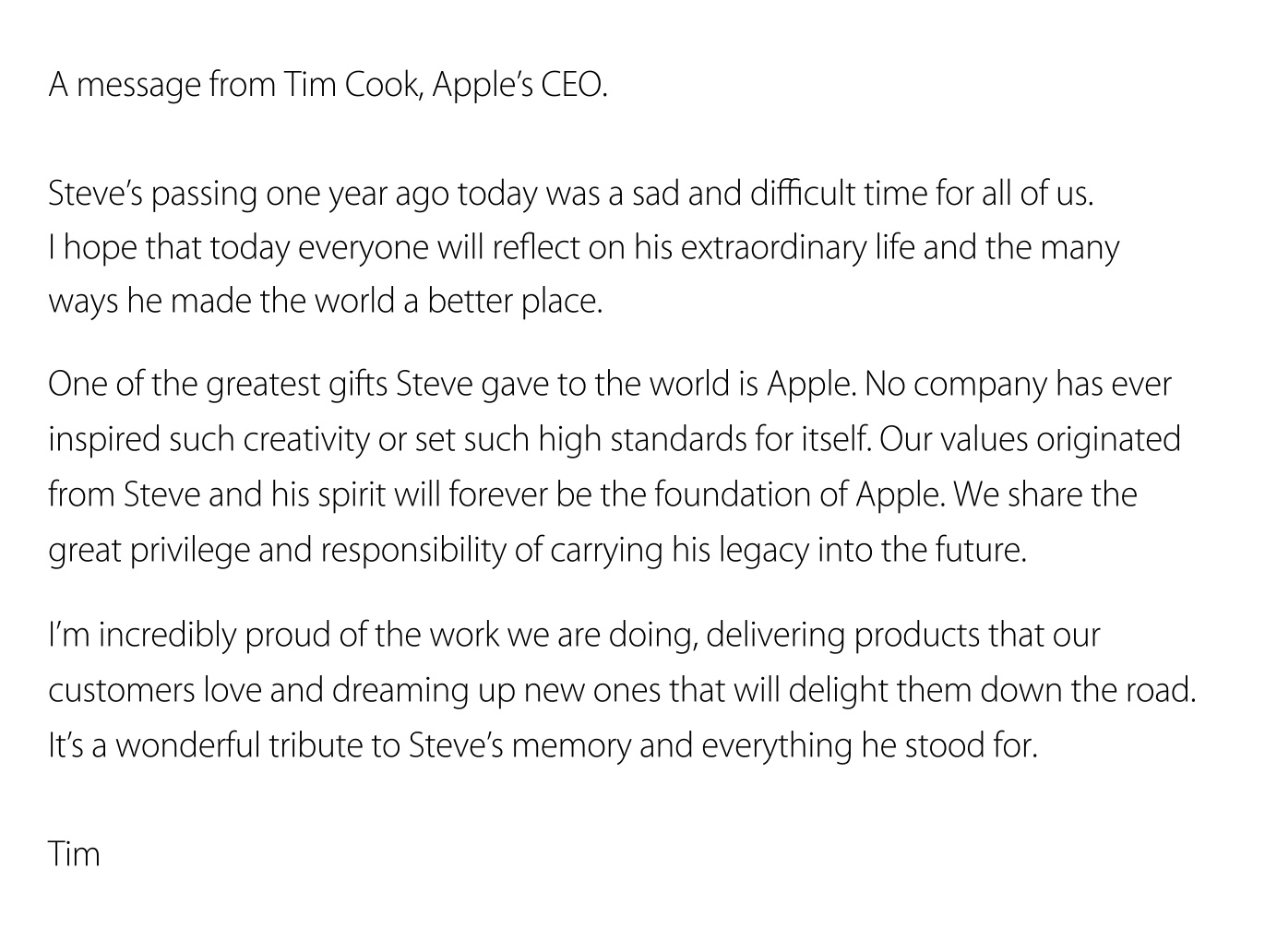
Apple’s homepage has a touching montage dedicated to founder Steve Jobs. Moody music and a Gretzky quote set the atmosphere for the “creator” of all things i. It’s hard to believe a year has passed since I got a knock on my door with the news of his passing.
Author: michaelmerto
Question Mark Period
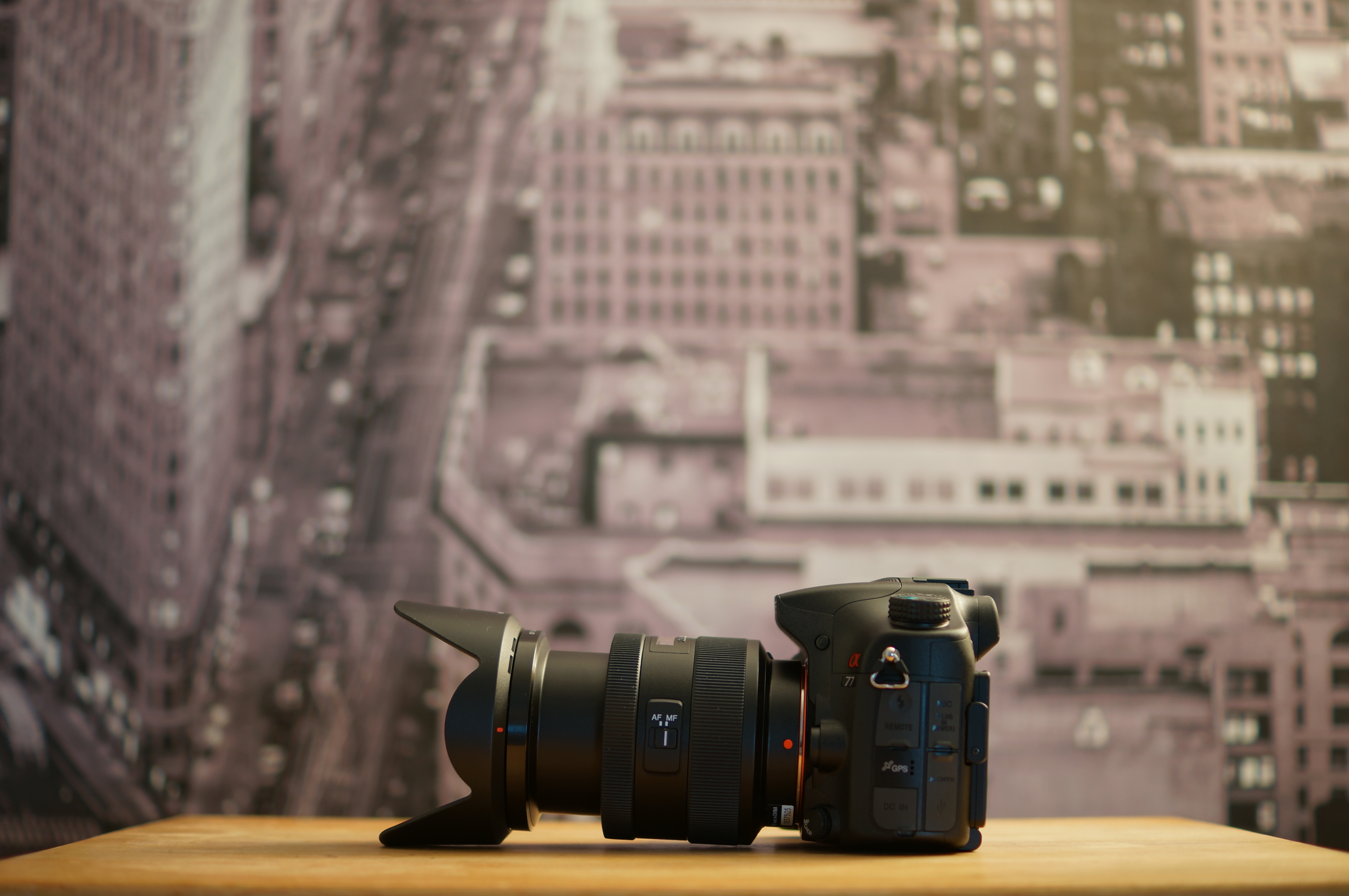
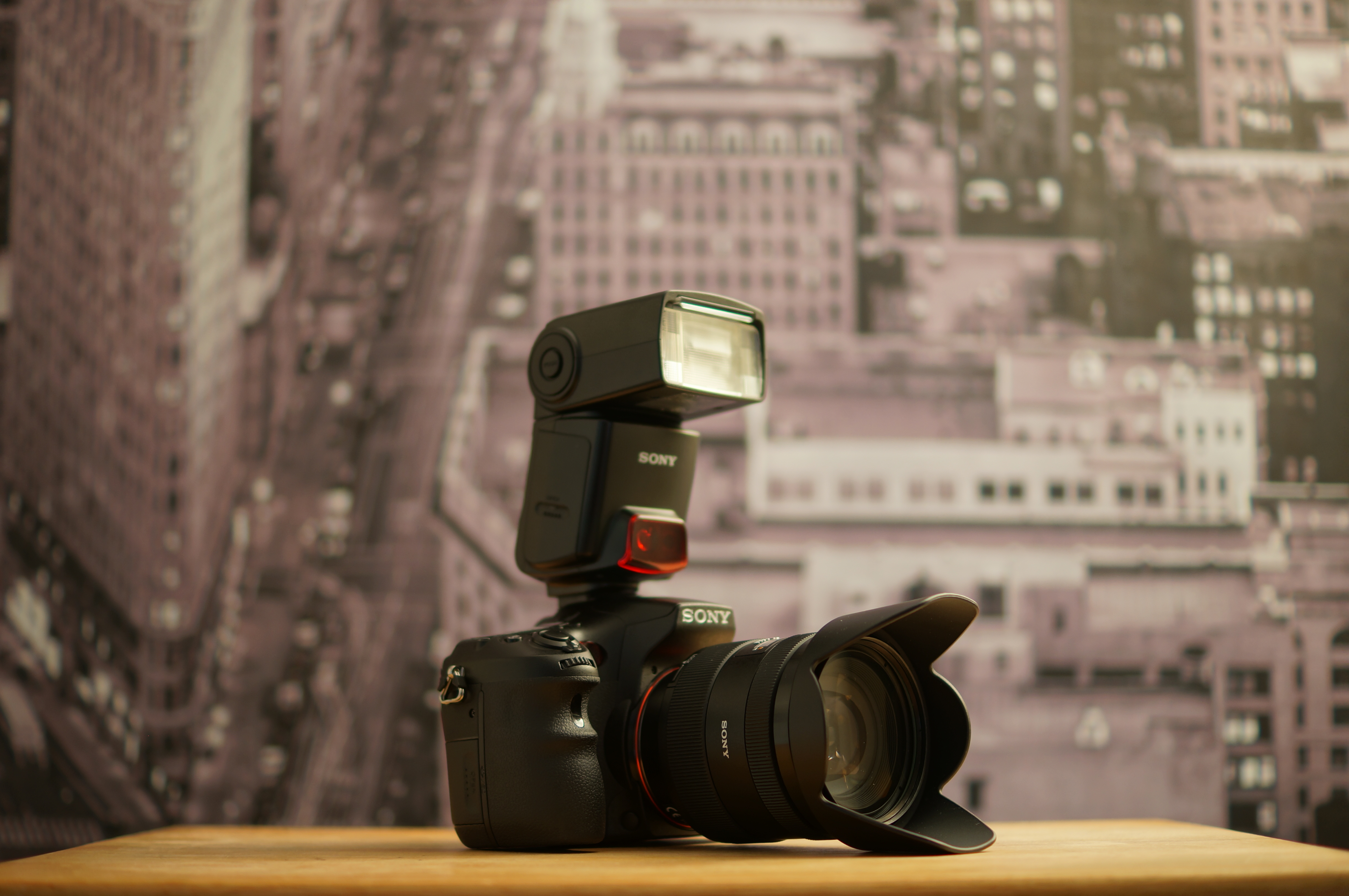
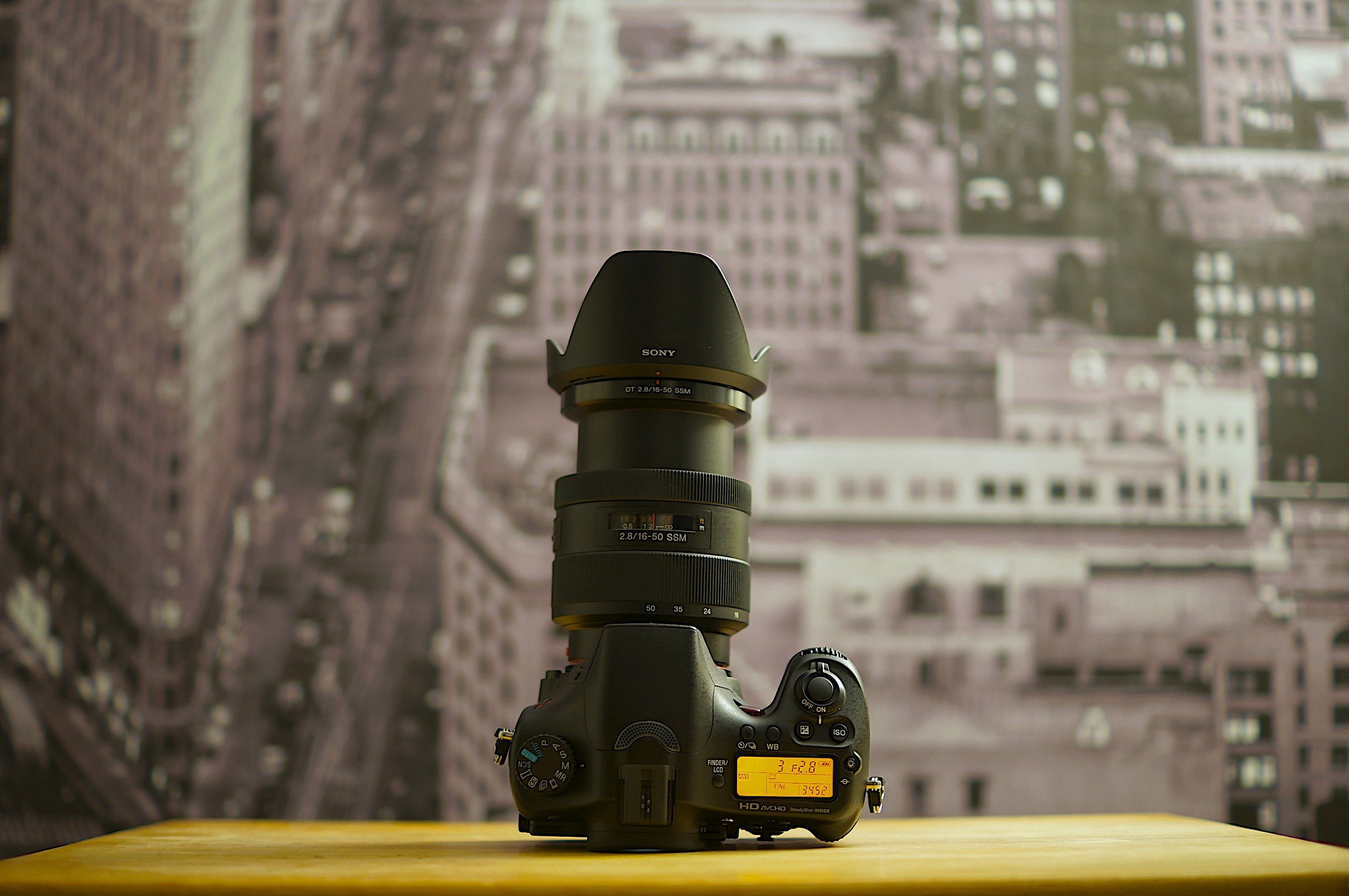
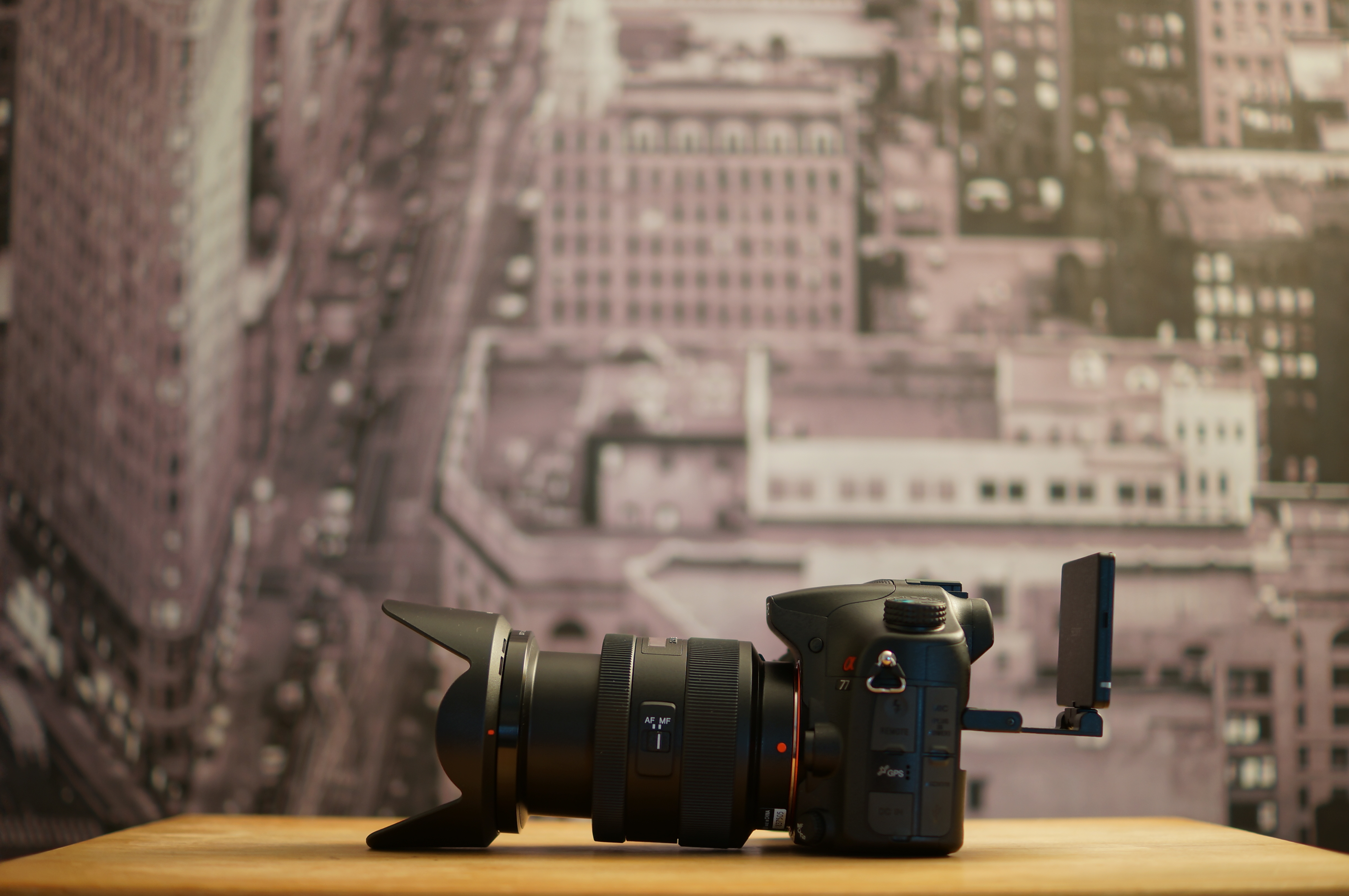
Shot with the Sony a77.
Lenses Used: Sony 16-50mm SSM, Sony 35mm 1.8, Minolta 50mm 1.4
Settings: ISO 320 – 640, Sunset, Manual White Balance, Center-weighted metering, Contrast -3, Saturation -3, Sharpness 0
Gear: Pico Dolly, Proline Tripod, Manfrotto Fluid Head
Pico Dolly Quick Review
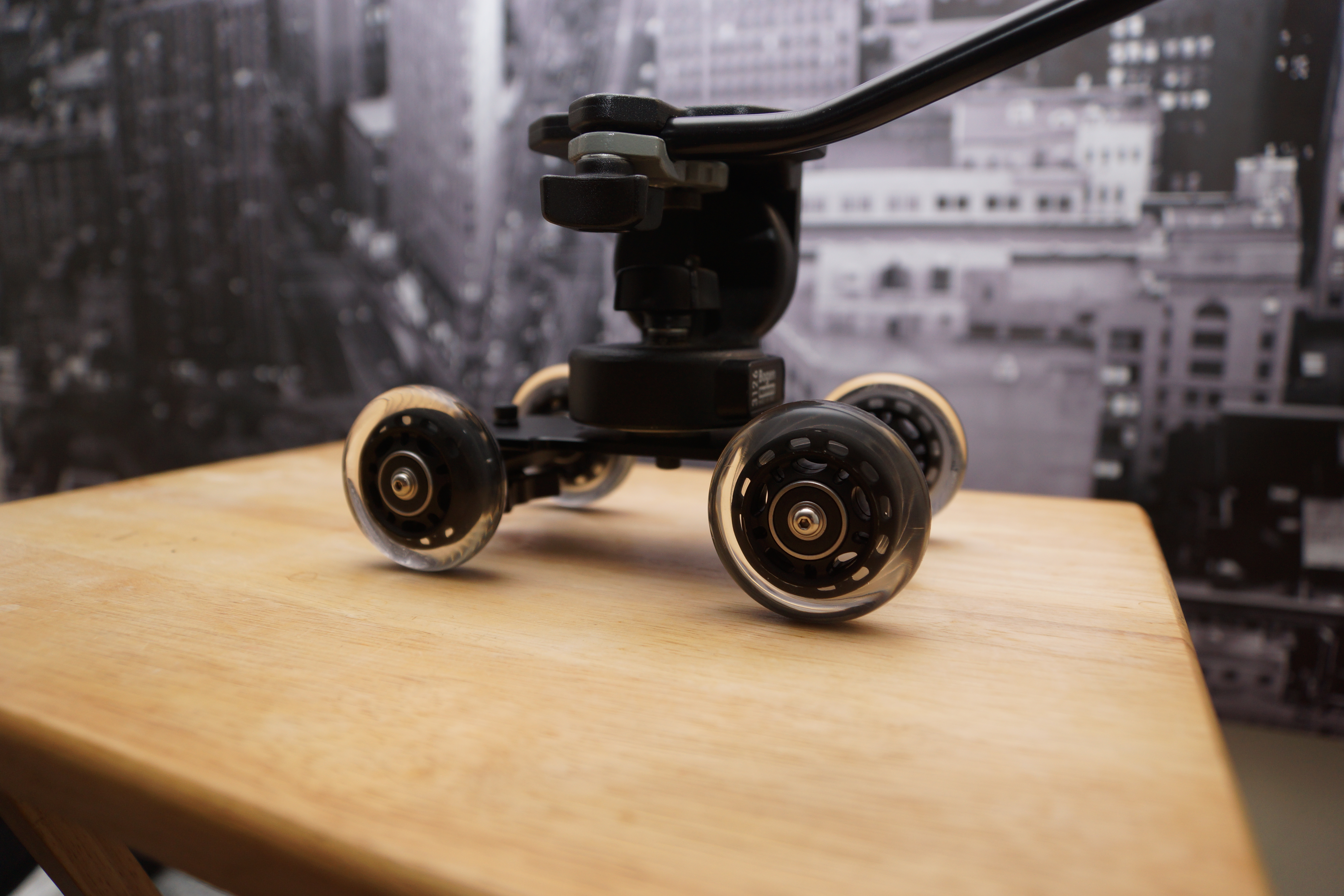
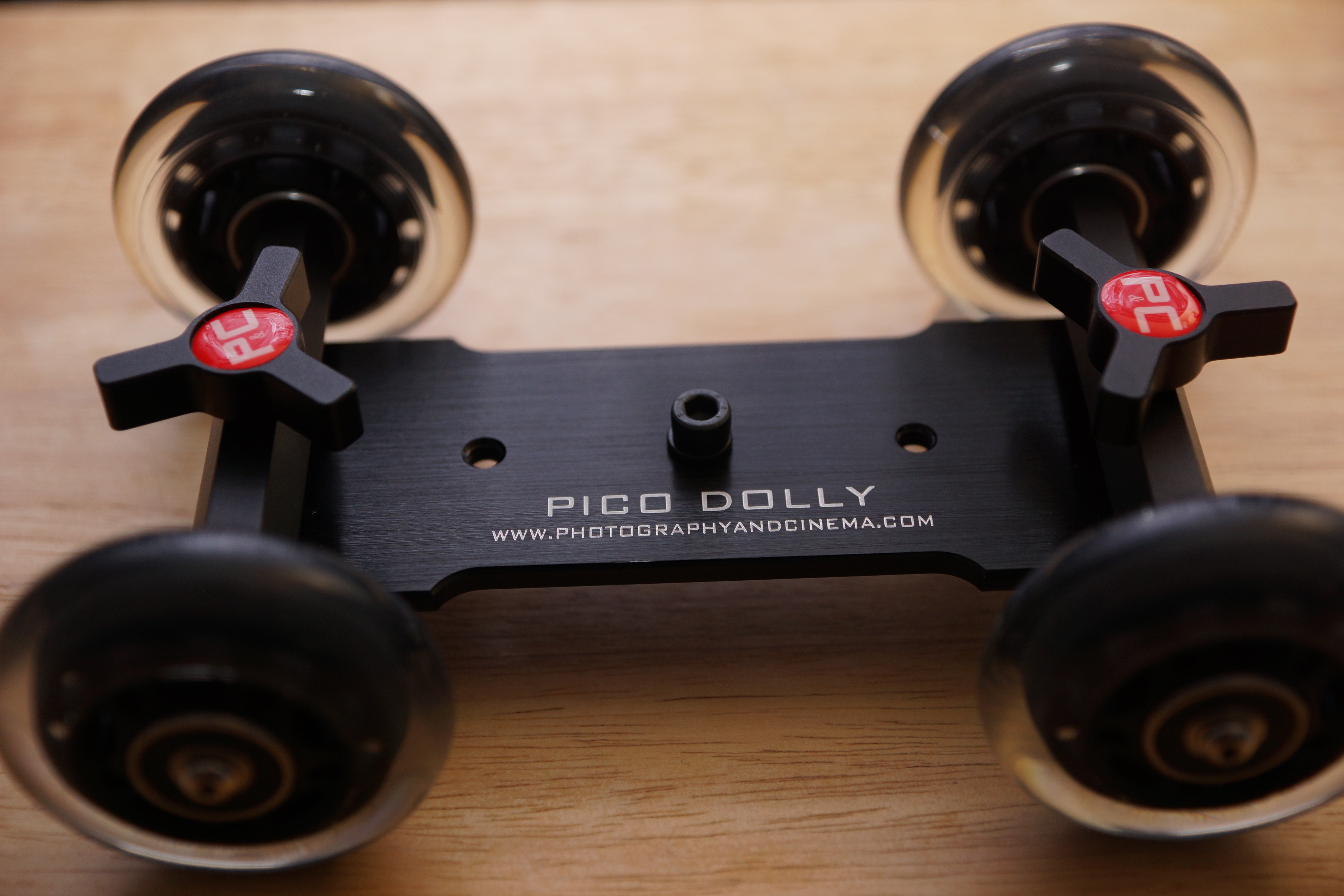
The Pico Dolly is pretty awesome . Sure you can probably DIY yourself something that functions similarly but I find tremendous value in the included flexible arm and universal shoe-to-tripod mount. The case is also convenient to have. The flexible arm does support the weight of a DSLR such as the a77 with 16-50 SSM lens but it does not inspire confidence and requires experimenting positions to get it to balance. Adjusting the wheels is fast and build quality is high.
In order to mount standard tripod heads a 1/4″ to 3/8″ adapter is required. You can find that here.
The dolly requires an extremely flat surface. In the following test you can see how some wooden tabletops create a less than smooth shot. This thing allows you you to be creative with your shots and gives you options beyond a standard slider.
Mountain Lion 10.8.2 roars onto Macs. (courtesy ESPN title makers)
Truth be told, the last Mountain Lion update did little to rectify the battery issues that plagued the Retina Macbooks. 10.8.2 unofficially brings battery life on par with the 10.7.x build of Lion. Facebook and tighter integration of contacts with other apps accompany this update the same day that io6 is available.
Also, for Retina Macbook users, the latest Office 2011 update supports the dense pixel display. Looking forward to it as I’ve ditched MS Word in favor of Pages solely because of my inability to get over the jaggy edges of Retina un-aware applications. I resort to discarding my glasses in order to remove individual pixels from my sight, which results in the harsh gradient blur of surrounding reality. I start to believe I’m capable of impossible feats, such as flying or breaking a concrete slab with a left-handed Judo chop. Thank goodness for this update. It just saved me from gross injury.
This time.
Game Changers
So Apple has revolutionized the way we interact with technology and have a big iPhone unveiling tomorrow. Sony have their own announcements tomorrow that may make the same sized waves in the world of photography/videography. One major camera that’s to be publicly introduced tomorrow is the SLT a99. It’s Sony’s first Full Frame camera since the a900 was released in 2008.
The a99 was created with special attention made to video. Some things that stand out are:
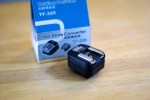
1) Sony’s switch away from it’s propietary shoe mount into the universal mount. There are many microphones, lights and recorders that can now be mounted without clunky chinese adapters.
2) The video resolution seems to be sharper. Sony’s line of SLT cameras had pixel counts many times greater than what standard Full HD 1080p required so there was a downscaling process that produced some soft images. Panasonic did a better job of scaling HD video from its sensor in it’s GH2. Sony’s RX100 point and shoot produced some sharp images as well. The a99 seems to be on par.
3) Manual Audio Gain Controls! Plus there’s a headphone in jack to monitor your recordings.
4) There’s an aps-c crop mode that will automatically detect if you mount a lens designed for the a77. It will crop the image accordingly.
This seems like an amazing camera along with the other rumored Sony product announcements like the full frame point & shoot RX1 and a pro NEX ILC. Can Sony inspire people to switch away from Canon and Nikon and in the process save itself?
Amazon in California
As a Californian, I take for granted the many amenities associated with the state. I complain when there’s a drizzle and scold the sun when it reaches 80 degrees. I’m irritated that the cyclists take too much road space and discontent when immersed in traffic. When September 15th arrives, I’ll be saddened that I now have to pay sales tax when ordering from Amazon.
As a Californian, I pay anywhere from 7.25 to 9.75% tax on items purchased. For many years Amazon was the loop hole that allowed me to save hundreds of dollars. My recent Macbook Pro purchase netted me a savings of $214.oo alone. It’s a substantial amount considering the number of purchases I’ve made through the online giant.
Though the state is due to see roughly an $83 million dollar boon from Amazon by itself, I am one tight Californian. This could potentially be an enormous positive for the debt ridden Golden State but right now all I see is an Arnold look-a-like in a ridiculously huge Unimog.
I’ll be stock piling on supplies before the 15th, will you?
More info here.
Craigslist Tips
Gone are the days of brick-and-mortar store fronts being the sole source of consumer goods. eBay, Amazon and Craigslist are popular options but it amazes me how some of my friends don’t consider Craigslist. It potentially gives you the best value if you’re willing. Here are some tips after years of it being my number one shopping/selling option.
Buying Tips:
1. Create a separate email just for Craigslist. Though it’s usually easy to discern a real seller from a fake one (if it’s too good to be true, it is) play it safe and save yourself the hassle from having your email compromised. My email was and my contact list was spammed. Embarrassing.
2. Stand out. When I sell, I constantly get emails asking “is it still available” or ” would you take ____?” Either I think it’s spam, a paypal scam, or not worth it to negotiate with a low baller. A simple “I’m ready to buy and work in [insert City], Thank You,” usually elicits the most responses.
3. Do your research. Know what the products flaws or failures are so you know what to look for and how to grade condition. Buying a DSLR?….ask for shutter actuations and see how worn out the camera strap is. Buying a lens?…look for scratches, fungus or mold and check the electronic connectors. Buying a Macbook?…check the battery cycle count, question the source of all blemishes, bring a usb drive to make sure all the ports work, test all keys, use the Apple Hardware Diagnostic, run iStat, and ask what services its had. If it’s a good product they should have no problem allowing this to happen.
4. Negotiate in person. It’s easier and more convenient to say no over email or phone. If I reach out to someone via Craigslist, it’s probably a good deal already, I’ll make it a great deal when I meet with them.
5. Don’t lowball. Yes negotiate in person, but let’s not waste anyones time. What goes around comes around. I’ll usually ask if they can do roughly 10% lower than they are asking and in the long run that adds up. I don’t lie, I don’t give a reason, I just ask and wait for their response. I will have the cash -10% conveniently bundled together should they accept when I ask. If they insist on a reason then you’ve done your research and there are plenty of legitimate reasons to ask for a lower price. I’ve even asked for sellers to cover the gas or bridge toll it cost to meet. 7 out of 10 times they’ll accept my original offer no questions asked.
6. Don’t buy anything else. Resist the temptation to buy anything else they offer. Unlike Amazon, you can’t turn buyer’s remorse into a return.
Selling Tips:
1. If you haven’t done so, create an email just for Craigslist.
2. Save yourself some trouble and make it clear in your ad that you will not respond to PayPal request or generic “is it still available?” questions. They are scams 95% of the time. These obnoxious email were drastically cut when I stated it in my ad.
3. Be honest and point out all your items flaws up front.
4. Provide as much information as possible in short lists that will drive the reader towards the bottom of the page where the pictures are. There are plenty of impulse buyers out there just need a reason to pull the trigger. Give them that reason.
5. Hi def pictures are nice but don’t make them look like stock photos. The photo should clearly show your a real person that owns the item. I wanted to sell my iPod Touch. I created two ads. One I took with a DSLR, setup the shoot with a couple flashes and a white box, even took it into CS5. The second I snapped with my iPhone with the iPod on my bed. Guess which one garnered more inquiries? Yup, the bed photo.
6. Create multiple ads. If it’s important to me to sell something, I’ll create ads with different photos, titles and keywords and I’ll post them in neighboring cities. The more eyeballs, the greater the chances I have of selling.
7. Create package deals. I find more success when I add other items to create value. I had trouble selling a Sony DSLR for $300. Old Minolta Lenses are compatible. I found someone selling an old film Minolta with 2 lenses and a travel bag for $40. I bought it, packaged it with my compatible Sony DSLR and sold it for $340 a couple weeks later.
8. Refresh your ad as often as allowed.
9. Be flexible with your price. I’d rather sell now than hold onto something hoping to squeeze an extra $10 tomorrow.
10. Always meet at a public place. I’ve walked into shady places and had shady people come into my home. Unless your selling a TV meet at a Starbucks and at the very least have a friend over.
You’ll win some and lose some. I once sold a tripod for $20 not knowing this brand of fluid head was highly sought after and carried a value of $70. I turned 3 old laptops into a MacBook. The both of us didn’t know it had an internal 512gb solid state drive which was an additional $1000 from Apple. I sold that a year later and was able to get the new Macbook Pro Retina.
Good Luck!
Sony a99 Rumor
For those that haven’t checked out sonyalpharumors.com, it’s a must if your into all things Sony. This guy works hard scrounging rumors from resources all over the globe and puts them together into intelligent product rumors.
I’ve been checking his website daily for a99 updates and here’s what the rumor is:
- 24.3 Mpx Full frame CMOS Exmor sensor
- SLT technology
- New Bionz imaging engine
- 14 bit RAW recording
- 10 fps
- ISO 100 up to 25.600
- 50 ISO extended (with lower dynamic range)
- 102 AF point AF (11 cross).
- AF range
- MF assist
- Dual Phase detection system (with AF phase pixels on sensor)
- 30 sec and 1/8000 maximum shutter speed
- Time Lag 0.05 sec.
- Shutter life guarantee of 200,000 cycles
- 2.360k OLED electornic viewfinder
- 3″921k LCD with same tilting system of the A77
- Full HD video recording at 1920×1080/60p AVCHD format
- HDMI output
- Built-in stereo mic
- Built-in flash with guide number of 12
- Auto HDR capability
- New multi-segment low pass filter
- Photodiode expansion technology
- Light concentration technology
- Selective noise reduction
- Ultrasonic anti dust system
- In body image stabilization
- Two memory slots: SD and SD+MS cards
- USB: 2.0
- Announced on September 12, 2012
- Available in stores in late October 2012
- New accessories to be released with the a99: battery grip, flash, remote control, microphone etc.
- Very light, weather sealed magnesium alloy body.With 730 g this is the lightest FF body on market!
The specs add up to the most innovative and feature rich full frame camera and with the right price may be able to compete with the high end Nikon/Canon DSLRs if it’s any good in lowlight.
Mountain Lion Update
10.8.1 is live and fixes a few annoying bugs. Personally, I’ve noticed battery life diminished and audio was spotty when connecting to a Thunderbolt display upon upgrading to Mountain Lion. 10.8.1 aims to fix this.
Other key improvements:
• Resolve an issue that may cause Migration Assistant to unexpectedly quit
• Improve compatibility when connecting to a Microsoft Exchange server in Mail
• Resolve an issue that could prevent iMessages from being sent
• Address an issue that could cause the system to become unresponsive when using Pinyin input
• Resolve an issue when connecting to SMB servers with long names
• Address a issue that may prevent Safari from launching when using a Proxy Automatic Configuration (PAC) file
• Improve 802.1X authentication with Active Directory credentials.
Congratulations Chris, Jenna, and Jayden!
You came to the first day of work just a kid and now look, you’re a kid with a baby. I really appreciate all your help at work and am confident in your abilities as new father. And never forget to remember to teach him:
“Mercy is for the weak. Here, in the streets, in competition: A man confronts you, he is the enemy. An enemy deserves no mercy.” – John Kreese
Why Tony Scott?
As to the whys that may be explained in the letter left in his home, I can’t help but feel abnormally saddened by Tony’s suicide. Being a hollywood figure with any level of prominence is a dream that many wish to attain, so why? I may never understand nor do I need to. However, I must try to reason why it’s affecting me.
Directors are often overlooked when friends gather round. If the discussion goes beyond acting or plot, they are usually brought up in a snotty way “David Mamet is so much better than Nolan.” Only the great ones are known (Spielberg, Nolan, Scorsese…) or the very bad ones (Michael Bay). The average are hardly talked about at the casual level. Tony Scott was far from average reaching consistent box office success since Top Gun and recently with Unstoppable. Hey if Denzel insisted on working with Tony then Tony must be pretty good.
Ridley got most of the critical attention with the epic worlds he created in Gladiator, Alien and Blade Runner. Tony stayed here on Earth, present day, for the most part with a frenetic and kinetic style of editing that is copied too often with too little credit. I admire Tony’s conistency, I never doubted that I’d like an upcoming movie of his. I couldn’t say the same for his brother as a few were complete messes. The theatrical version of Kingdom of Heaven was so bad I couldn’t help but feel trepidation for Prometheus.
This wasn’t meant to be a debate or a comparison. Just a reminder that Tony was a great director and I will be missing his work.
2010 Unstoppable
2009 The Taking of Pelham 1 2 3
2007 Numb3rs (TV series)
– Trust Metric (2007)
2006 Deja Vu
2005 Domino
2004 Agent Orange (short)
2004 Man on Fire
2002 Beat the Devil (short)
2001 Spy Game
1997-1999 The Hunger (TV series)
– Sanctuary (1999)
– The Swords (1997)
1999 Ladies & Gentlemen: The Best of George Michael (video documentary) (video “One More Try”)
1998 Enemy of the State
1996 The Fan
1995 Crimson Tide
1993 True Romance
1991 The Last Boy Scout
1990 Days of Thunder
1990 Revenge
1987 Beverly Hills Cop II
1986 Top Gun
1983 The Hunger
1976 Nouvelles de Henry James (TV series)
– L’auteur de Beltraffio (1976)
1971 Loving Memory (as Anthony Scott)
1969 One of the Missing (short)
Sony Camera Hack Project is Official!!!
For all Alpha and Nex users here is the link. The project is led by Someone 1.00 who managed to hack the a55. It is also backed by the infamous and legendary Vitaly Kiselev who hacked the GH1, GH2 and Gxx series of Panasonic cameras. This is exciting as Vitaly once said that Sony’s firmware was infinitely more difficult to hack than the Panasonic’s. But here we are!
Sony Alpha a55 has been hacked?!?!
Here’s the link to the forum on EOSHD.
Fingers crossed it makes its way over to the a77. Just as the hack on the GH2, any modifications to the firmware that allows bitrate and/or audio controls will make for a much better movie making camera. The alpha line records at a maximum 28mbps in AVCHD 2.0 codec which delivers fairly decent video but lacks detail and resolution. The hack may not help that, but 28mbps AVCHD can break up in post. Generally the higher the bitrate the better. The hacked GH2 can deliver up to 176mbps all intra frames. They both use the same stock codec, which means the first (i) frame is the most detailed followed by b and p frames that is composed by the processor’s guess of where movement in the video will occur. This can create macro-blocking and odd artifacts in the video. As such, a hack producing a codec with all first i frames and a high bitrate is popular.
I’ve talked about how annoying Sony’s insistence on only auto gain control for audio is. The hack might open things up in that department, like it did for the Canon line of DSLR’s with the Magic Lantern hack.
There are also rumors of the new full-frame a99 Sony SLT and an update that will be released around that time for the a77.
With the NEX and RX100 topping the sales charts it’s exciting times for the Sony community!
GH2 Hack on a Mac
The hack was pretty simple but gathering all the required parts and instructions took some laborious searching. The accompanying video hopefully helps speed the process for you, lends confidence you won’t brick it and remind me when I forget, I will forget. This is the main link you’ll need.
I’ve found that any bitrate below 100 mbps writes to cheap transcend class 10 cards fairly problem free. I’ve yet to receive a speed card error unless I go over that. As far as the quality, I can’t tell the difference between the stock firmware and the hacked one, with any settings even up to 176 mbps, unless I’m grading the footage. I was surprised when I pushed the shadows down on one shot to seehow much detail held up. Doing the same everything on the a77 crumpled the screen to black. For the most part, I can live with the footage from the a77. However, a hacked GH2 gives me 12,800 iso, audio controls, bitrate that can stand up to harsh treatment in post, noise that looks like natural film grain and a higher resolution video, even unhacked.
The Fotodiox adapter that allows me to attach all my Sony/Minolta lenses is pretty sturdy. It’s all metal with a dial to control aperture. There are no markings so you’re going to have to guess but it works well with the GH2 in A or M mode. I purchased the adapter here.
Mountain Lion on the New Macbook with Retina Display Report
UPDATE 8/1/12: Quicktime in Mountain Lion now supports AVCHD, great for Sony and Panasonic users out there!
Took the plunge and can report that wifi has not been a problem. Updating took 20 minutes and was simple. Redeeming the update from the App Store was fun. You have to wait for an email with a code to open a pdf with a new code that needs to be entered for redemption.
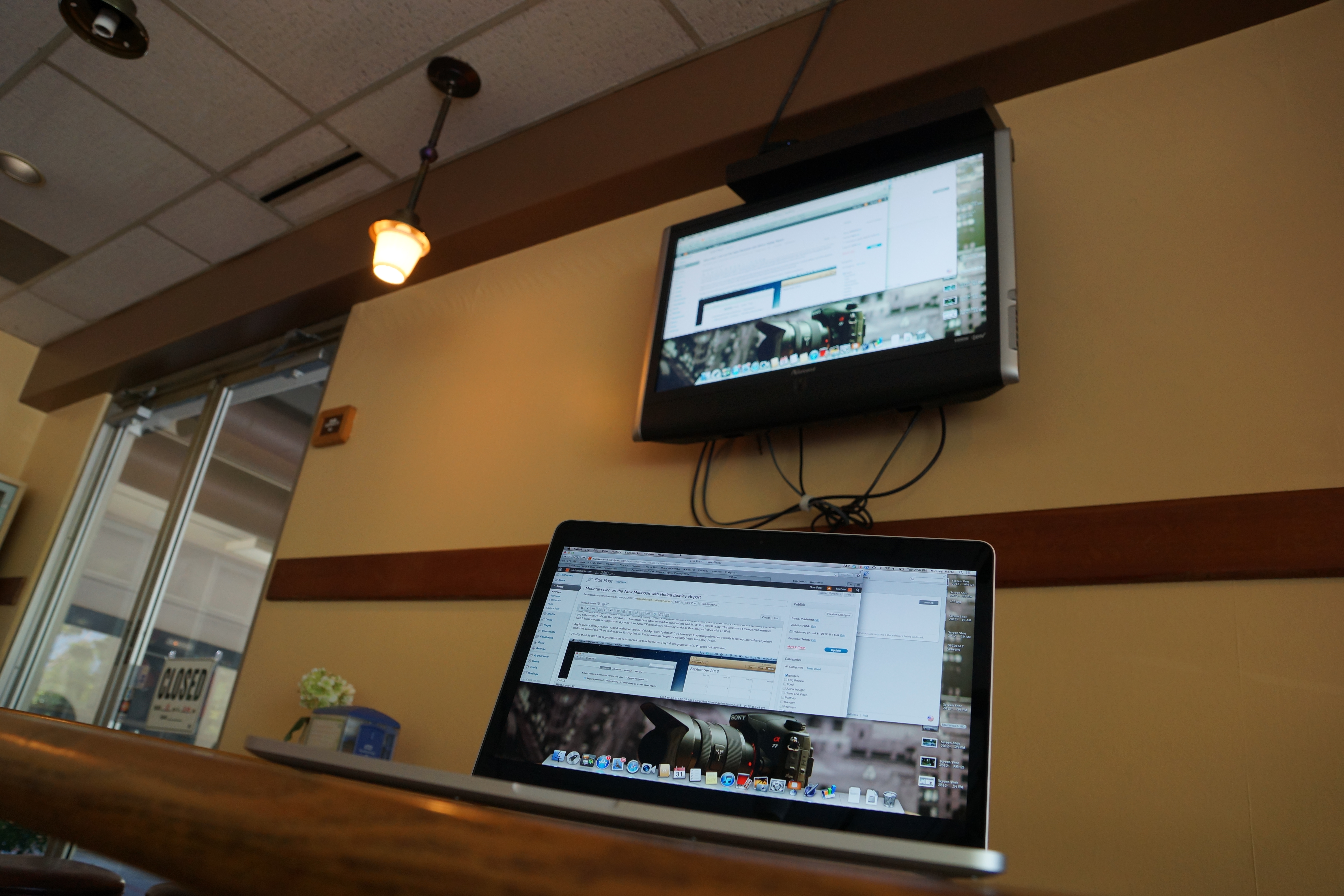
Everything is much faster, from scrolling and zooming through Safari and general internet speed has been quicker than Lion. I haven’t seen a spinning beachball yet, not even in Final Cut! The new Safari + Mountain Lion offers in window tab scrolling which I do find myself using. The dock is isn’t transparent anymore which looks modern in comparison. If you have an Apple TV then airplay mirroring works as flawlessly as it does with an iPad.
Apple doesn’t allow you to run apps downloaded outside of the App Store by default. You have to go to system preferences, security & privacy, and select anywhere under the general tab. There is already an SMC update for Retina users that improves stability issues from sleep/wake.
Finally, the fake stitching is gone from the calendar but the faux leather and digital torn pages remain. Progress not perfection.
OSX Mountain Lion and the new Macbook Pro with Retina Display
Mountain Lion is available for download but I’ve been recommended to hold off for a few days until the wifi problem becomes a non-issue. Reports are that with the upgrade, wifi signal is apparent but data is not being transmitted. Ethernet connection is unaffected. However, there are still some nice updates for all Retina Macbook users. The complete iWork Suite is now Retina aware and it’s gorgeous. No more blurry text in pages! Aperture and Safari has been updated as well. You can now search in the address bar and things are pretty snappy.
I’m still looking forward to Mountain Lion. As a Retina user, my experience has had many hiccups. I’ve seen more spinning beachballs, especially when I’m using Final Cut Pro X, in the last month than I had in the two years I had my last Macbook Pro. Mountain Lion Potentially addresses some of these issues as scaling algorithms get worked out and work gets offloaded more onto the GPU.
Don’t forget to redeem your code if you’ve purchased a Mac after June 11, 2012 here.
Breaking News: Fake leather and stitching is still a part of OSX. Whoever is in charge of that needs to be tortured.
A Painful Gain – Reviewing Sony a77’s Video
The a57 was a world opener for me. The video I was able to capture was remarkable and got my creative juices flowing. For inspiration I swallowed the addictive drug that is YouTube and Vimeo. I knew I needed more glass (lenses), faster glass (smaller f-stop) and wider glass (16mm or below on the aps-c crop). Sony makes a well-regarded 16 – 50mm f/2.8 lens (through the whole range!) with SSM that goes for $800. This is relatively cheap considering the Zeiss equivalent goes for $2000 and is universally agreed to be on the same level (minus the Sony’s being aps-c specific). Ready to pull the trigger I found that they package this lens with Sony’s high end DSLT, for $1750 at my local camera shop. In essence the $1,400 retail body would cost $950 since I was set on the lens. I put my beloved a57 on Craigslist. Enter the Sony a77.
On the surface I thought this would be a clear cut upgrade and there would be no remorse changing cameras. I get 24.3 megapixels over 16.1 (I know I said it didn’t matter but the option to do huge prints is nice), a three-hinged articulating screen over the a57’s troublesome two, oled vs lcd viewfinder, better colors and a weather-sealed magnesium allow body over the plastic one I got used to. I didn’t realize I was going to lose a few things along the way. First I lost light sensitivity. The megapixel crammed a77’s sensor doesn’t fare as well as the a57 in low-light high ISO situations and cannot go above 1600 in video mode. The a57 can do 3200, not great mind you but better than no video. The a57 has a focus magnifier in the digital zoom function that can aid manual focusing in video mode. The a77 does not, but they both have peaking (where focused areas are highlighted in red, white or yellow). It’s also substantially heavier, though good for durability, making long handheld shots a workout. Overall, I still consider the a77 a huge upgrade. Moving on.
I started to unknowingly pixel peep the videos that streamed to me from Vimeo. I compared them to the raw footage from my new a77 and wondered why I wasn’t seeing the same quality. I was semi-obsessed with how the Canon 7d (most relative price and build quality-wise to the Sony) had such clear images let alone the $500-700 range Rebel t2i, t3i, & t4i line. Let’s not get started on the hacked Panasonic GH2 which produces a $10k sharp image. I know you can take an iPhone and produce some excellent video. It’s up to the framing and story telling to make motion pictures captivating but I needed to know why my highly rated a77 wasn’t delivering the goods. I dug a little deeper.
It’s in the codec. Sony created the AVCHD standard tp avoid paying h.264 royalties to Apple. While the 2.0 version is highly efficient, the 4:2:0 and 24 mbps bitrate (4:2:2 in the Canons and upto 170mbps in a hacked GH2) doesn’t hold up well to color grading. Things can fall apart if pushed too far. The codec also macro blocks (creates large blocky screen artifacts) in blues and exposed blacks. Video is softer than the Canons and retains less detail than the GH2 as a result of downsampling that monstrous 24.3 megapixel sensor to 2mp (or 1080p). I started to get depressed at my investment.
Then I realized something about all the videos I was watching. Canon’s DSLRs have been out for about 3 years and Panasonic had the hack on the GH1 which came out two years ago. Professionals have been using these cameras. That means they had the right setup, knowhow and equipment (lighting is huge). The launch of the Sony a77 in August 2011 was hugely affected by the floods in Thailand and they didn’t become readily available until early this year. So all the videos out there were enthusiast-level but hardly professional studio filming. Upon further investigation, searching for raw video test footage from amateurs on the Canon Rebels-T3i yielded the same quality footage I was seeing out of my a77. I was a Sony enthusiast once more. This was a challenge.
Thanks to the Alpha SLT shooters across Vimeo and the people over at EOSHD I learned a few things. One was to shoot in Sunset mode with manual white balance (important otherwise the reds will be pushed). Sunset mode creates smoother gradients and exhibits less artifacts. TURN DRO OFF. Sony’s dynamic range optimizer is on by default and though it brings up shadows, it’s artifact happy. Try and get the picture the way you want it in camera and don’t rely on heavy fixes in post. I like to keep sharpness at 0 with whatever picture profile I shoot. -3 is the standard but the a77 is softer than the Canon’s and +3 yielded choppy aliasing. (after further testing I’d suggest -3 sharpness). If you’re shooting in auto set the max ISO to 800. If you’re shooting in 1080 60p and want to use autofocus, point to different lighting sources and toggle the ael button on when you 1/125 shutter speed. Rule of the thumb is to double the frame rate. So a 24p rate should have a 1/48 shutter speed. On a DSLR/SLT 1/50 and 1/125 are the closest you can get for 24p/60p respectively for the most eye-friendly motion. Combat low light with fast glass not higher ISO but you knew that. I use an old photoshop trick to get cleaner images by overlaying a copy of the video and setting opacity to 50% with a slight Gaussian blur in Final Cut Pro X. It gets better.
If you’re a Sony shooter and were wondering about the video, be happy. First off, I’m pixel peeping on a Retina Macbook display and all faults are null and void when outputting to a tv or projected. We have a lot things that other cameras don’t currently. In body electronic stabilization for video works great negating the need for expensive IS glass. Cheaper lenses, money saved. Although it crops part of the video image to give it room to stabilize it, you still get aps-c sized depth of field. 60 progressive frames at the full 1080p resolution means super clean slow motion. It’s as easy as dropping the footage in a 24p timeline and conforming the speed. No need for Twixtor, money saved. That translucent mirror that blocks a third of the light, giving us the high ISO problems, enables us to see what we’re filming through the OLED. No need to glue a view finder onto the lcd screen, money saved. The way the lcd screen articulates and focus peaking means you don’t need a separate monitor. Money saved. Now the Audio Gain Control is a nuisance but it does work well and the on board stereo mic is not bad for B or ambient audio. The SSM in the kit lens designates it as fast and silent. The AGC surprisingly doesn’t pick up the sounds this lens makes under normal conditions. I also find that if you yell (it’s silly) into the mic when you first hit record, it pushes the AGC down creating a better floor level. Combine that with the fast Alpha SLT-only phase detect auto focusing and it’s a great run-n-gun/sports event camera. The AVCHD 2.0 codec is efficient and you’ll probably end up spending less in SD cards and hard drives if you record a lot. The GH2 and Canon’s Full Frame Mark iii still provide better video but one requires hacking, the other costs three grand body-only. In the end, composition and framing will do a lot more for video than the tech behind it.
Oh yeah, it takes pictures too…
…here’s some test footage from the a77
Low Light, High ISO Workaround


I’ve been shooting with the Sony a77 recently and, as expected, it’s low light performance is not great. The Sony a57, which costs half as much, outperforms Sony’s flagship a77 at noise sensitivity in low light. This is mostly due to the fact that it’s sensor is less cramped with megapixels (16.1 for the a57 vs. 24.3 in the a77) so you can add that to the mega pixel myth.
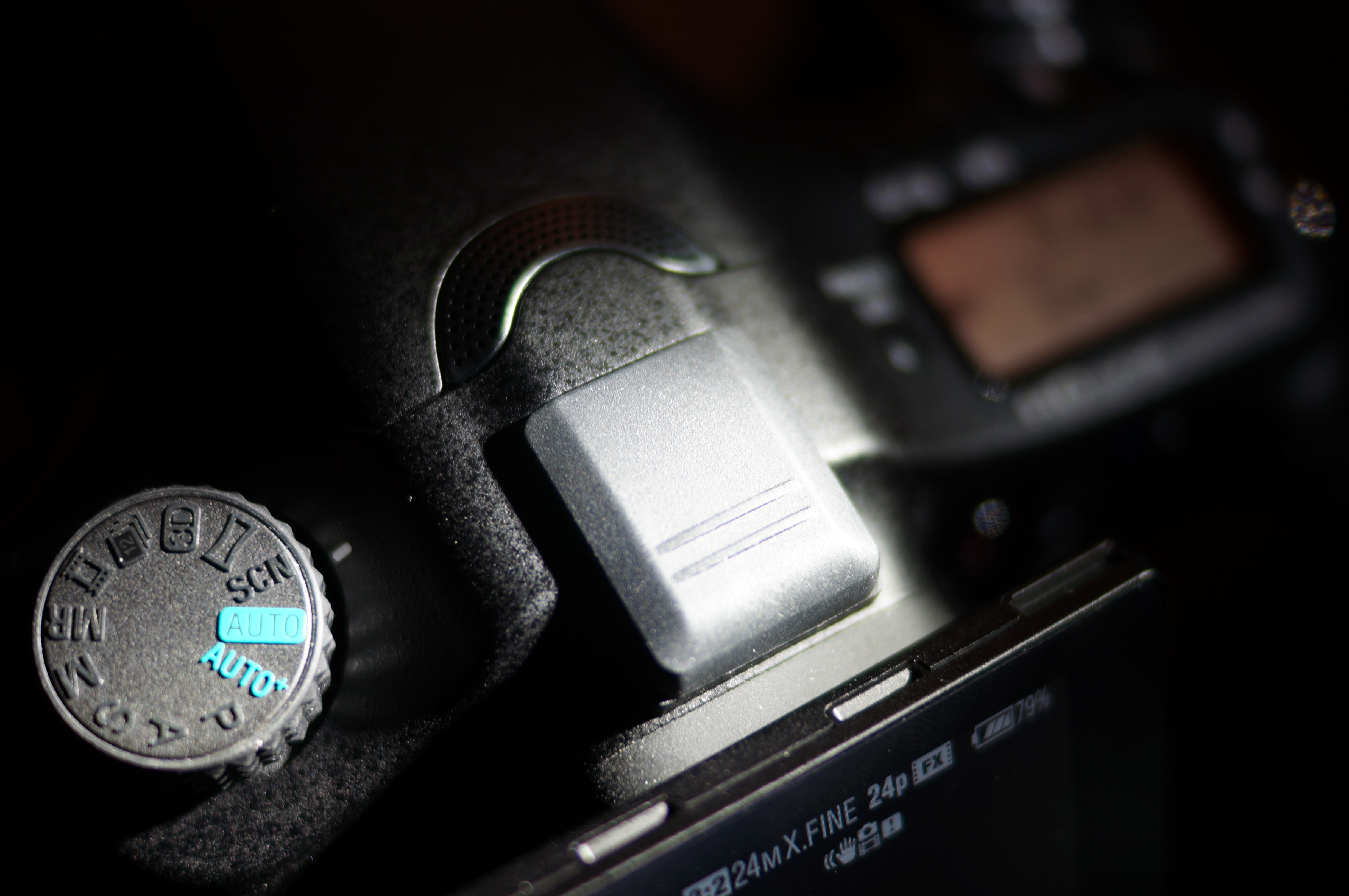
There is a workaround found in the a77 and the camera’s in Sony’s SLT line. It’s hand held twilight mode. You can find it as one of the scene options on the large dial. My first thought was that these options were nothing more than toyish features to be seldom used, but the hand held twilight mode was surprisingly useful. What it does is take 6 rapid pictures in succession and stacks them together to create a single image. You can also activate this in PASM modes by selecting Multiframe Noise Reduction which will do the same thing at your selected ISO.
As a side note, I’ve upgraded the firmware on the a77 to version 1.05 and can confirm that the dials and power on/off are much faster. There is zero lag switching shutter and aperture controls and hardly any delays when looking through the oled evf or activating from sleep. You can find it here. If you’re working on a Mac running Lion, like myself, you’ll have to restart the machine and hold down the 3 and the 2 keys on the keyboard to boot in 32-bit mode after you’ve downloaded the firmware. Once you restart your computer it will boot back into its default 64-bit state.


Sony Potato Salad
Rustic (ie Lazy) Potato Salad
Ingredients:
5 Potatoes
1 Red Onion (diced)
2 Stalks Celery (diced)
1 TB Dijon
4 TB Mayo
1/4 Cup Italian Dressing
4 tsp Salt
2 tsp pepper
Place potatoes in cold water and bring to a boil, this allows more even cooking. When a knife slides in and out easily the potatoes are done. Place in an ice bath, peel and chunk. Coat the potatoes in the italian dressing and give a minute for absorption. Add the rest of the ingredients and don’t over mix. Serve with your favorite garnish. Bon Ape Tit.
Nothing to gain from AGC

I’ve had to make affiliations for the better part of my life. I went with Sega when my cousins had Nintendo as their console of choice. I stuck with the now software-only video game company as they released the Master System, Genesis, Sega CD and 32x. Yes I had all of those systems. No, I don’t regret it. Really. I had yet another choice when the Saturn was to launch against a heavily hyped upstart in Sony’s PlayStation brand. I went out and dropped $599 on Sega’s 32-bit Saturn, wrote an article for the school paper and convinced a handful of people to hop on the Sega Bandwagon. We were a lonely bunch. Yes, I regret that. I was a Warrior fan when they traded Chris Weber for Tom Gugliotta and stuck with them through the Sprewell choke and Mookie playing hooky. Let me use that HD DVD as a frisbee because I’m popping in a BluRay. Give me WCW not the “Hitman” headlined WWF. I will supply you with charts and graphs if you tell me a PC is better than an Apple. And if I could take a picture of your face right now, it won’t be with a Canon or Nikon.
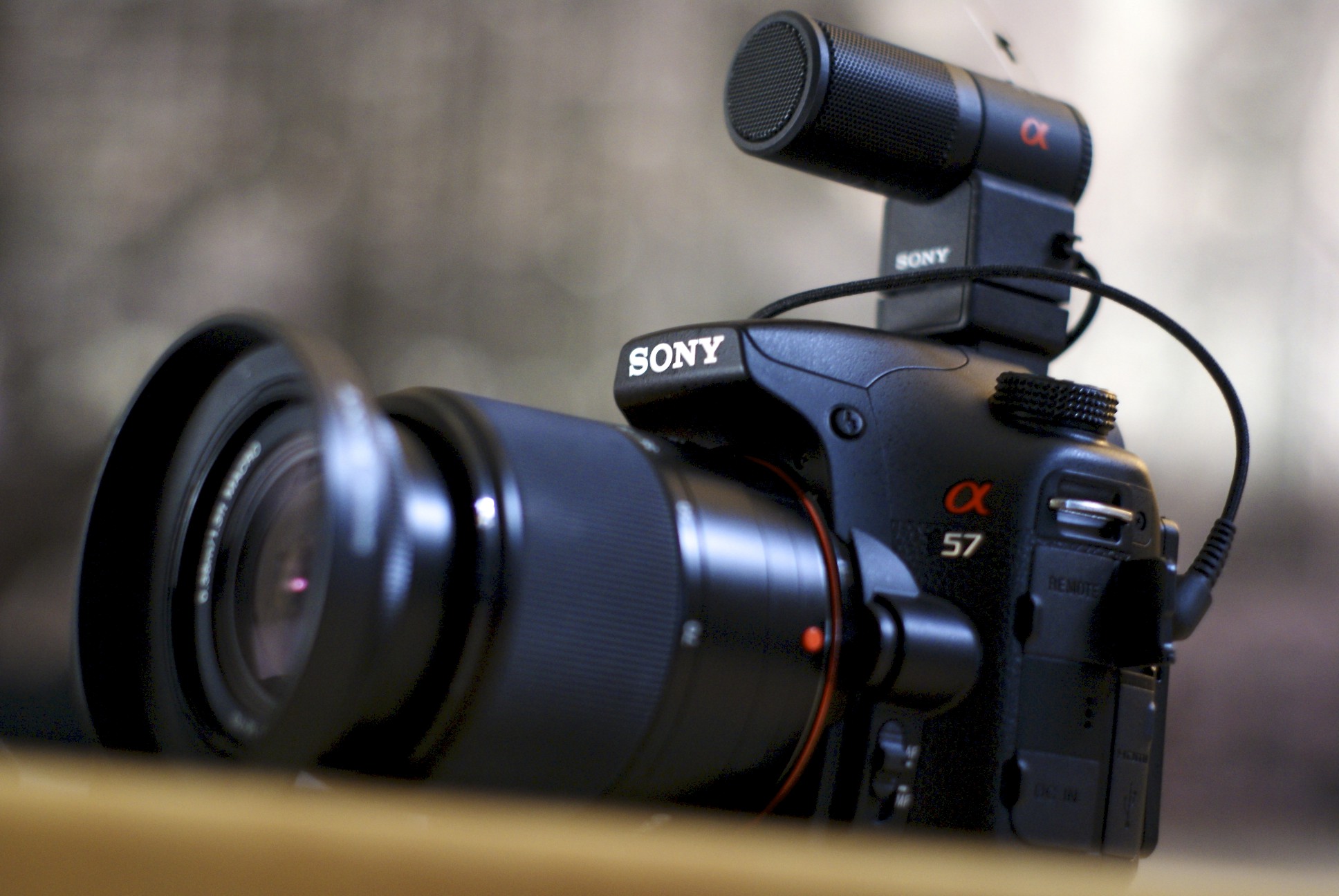
I’ve made my affiliation, for better or worse, with the Sony line of cameras. I’m loyal to them. Which is too bad, because they frustrate the hell outta me. That proprietary hot shoe is a nuisance causing me to seek obscure adapters through eBay in order to mount a simple microphone. Speaking of which, an external microphone on a Sony Alpha Camera or Nex Camcorder is a moot point because of AGC. Auto Gain Control (AGC) is the only option you have when recording audio on a Sony Camera. It means that it determines for you how sensitive the mic is. So in a noisy environment, it’ll crank the levels down so you don’t pop any speakers on playback. In a quiet environment it will push the levels up as it searches for some kind of audio to record. That’s when the real problems occur as it’ll pick up and amplify the lens motor noise and just render the audio useless. AGC will also introduce a faint humming in the background that screams amateur which is not what you want if you plop $2,000 on the a77 or Nex-VG20. It doesn’t matter if you mount an external microphone, all those unwanted noises will be picked up and recorded on the audio track.

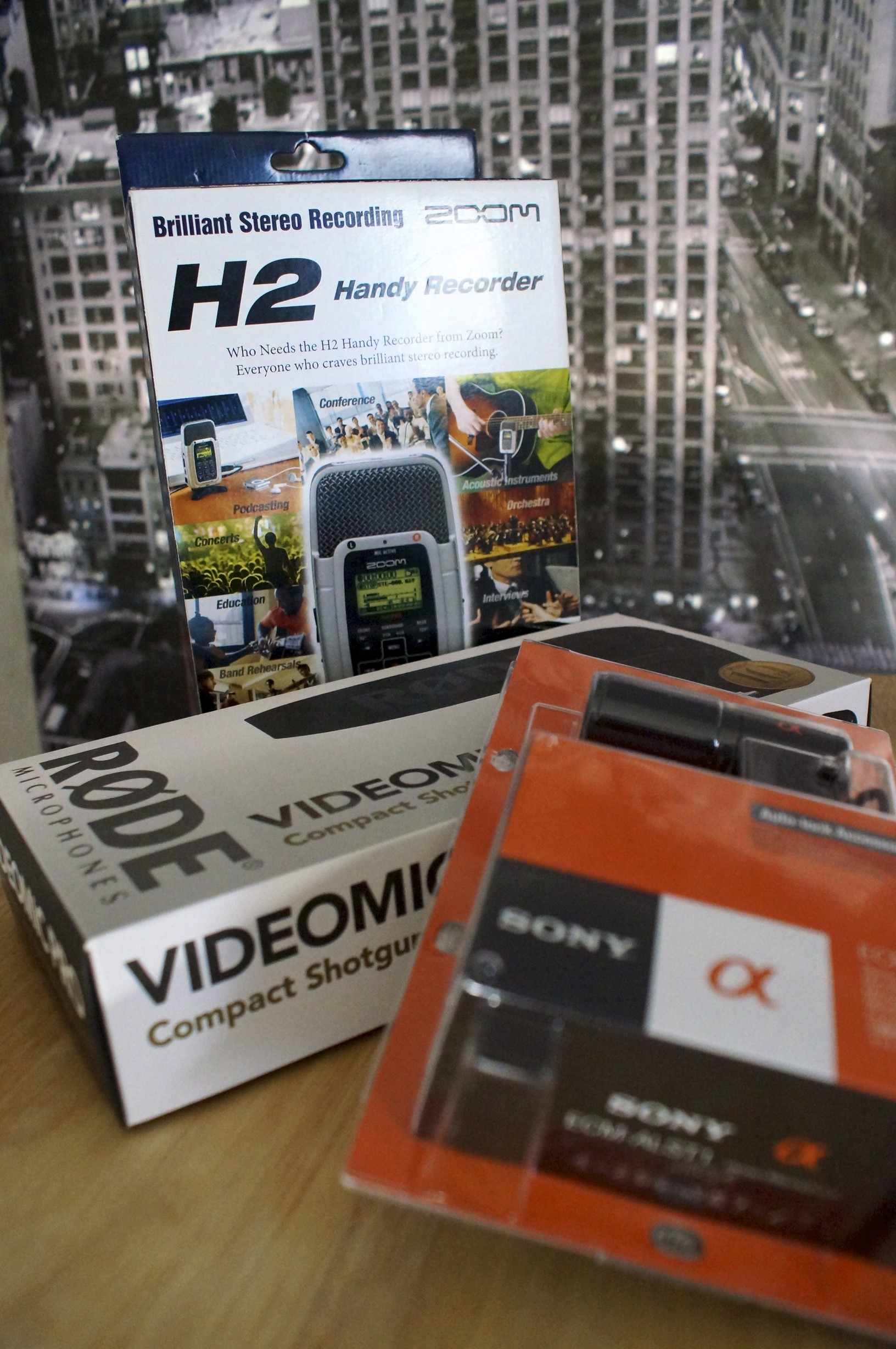
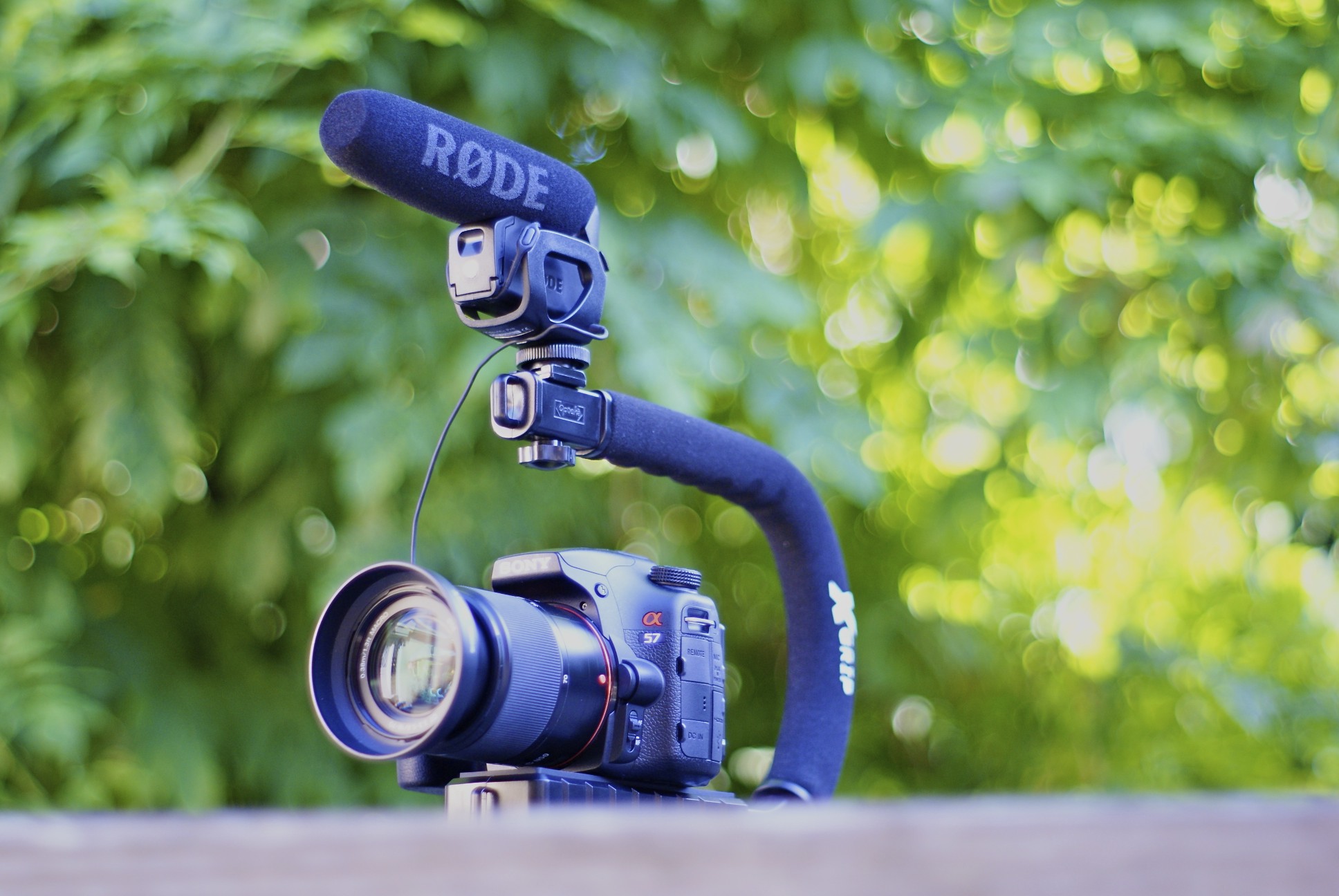
Unfortunately, Canon saw this as a problem and have fixed their line of cameras through firmware updates. 3rd parties introduced Magic Lantern that gave Canon DSLR users full audio control. Nearly two years ago! The a57, a37 and a77 came out months ago and Sony chose not to address these issues. You can bypass picking up lens noise by focusing manually of course but then you can’t utilize the major selling point of the Sony’s SLT line with their blazingly fast phase detection auto focusing. I’ve tried the Rode Video Mic Pro and Sony’s own ECM-ALST1. They both suck on my a57 because they not only pick up but amplify lens motor noise.
Now most pros will record audio separately anyways. This gives them a second audio track, which is handy to have so one can serve as a back up, and the ability to control/monitor audio feeds. Something like the Zoom H2, which I use, can record audio and be synced to match the video later in post. It adds a wrench to workflow but the results are usually better than recording off a shotgun plugged into a camera, manual gain or not. But in ENG or run-n-gun type situations this won’t be an option and it’s no wonder paid work is usually done on a Canon or Nikon if shot with a DSLR. On the bright side, Sony’s xx7 line of cameras have a pretty good onboard stereo mic that makes syncing in post easier.

If Sony’s history says anything then Alpha/Nex users cannot look forward to a firmware update to resolve this issue. Sony does pay attention but they usually address them in the form of a new product. It’s a shame. Audio is important, it’s 50% of the experience. You can usually take a shitty video track and with good audio, make it usable. It doesn’t work the other way around. Delving into video production has given me this unnecessary headache but I’ve made my affiliation. Hey, Sega turned out alright, right?